1 hr 30 min
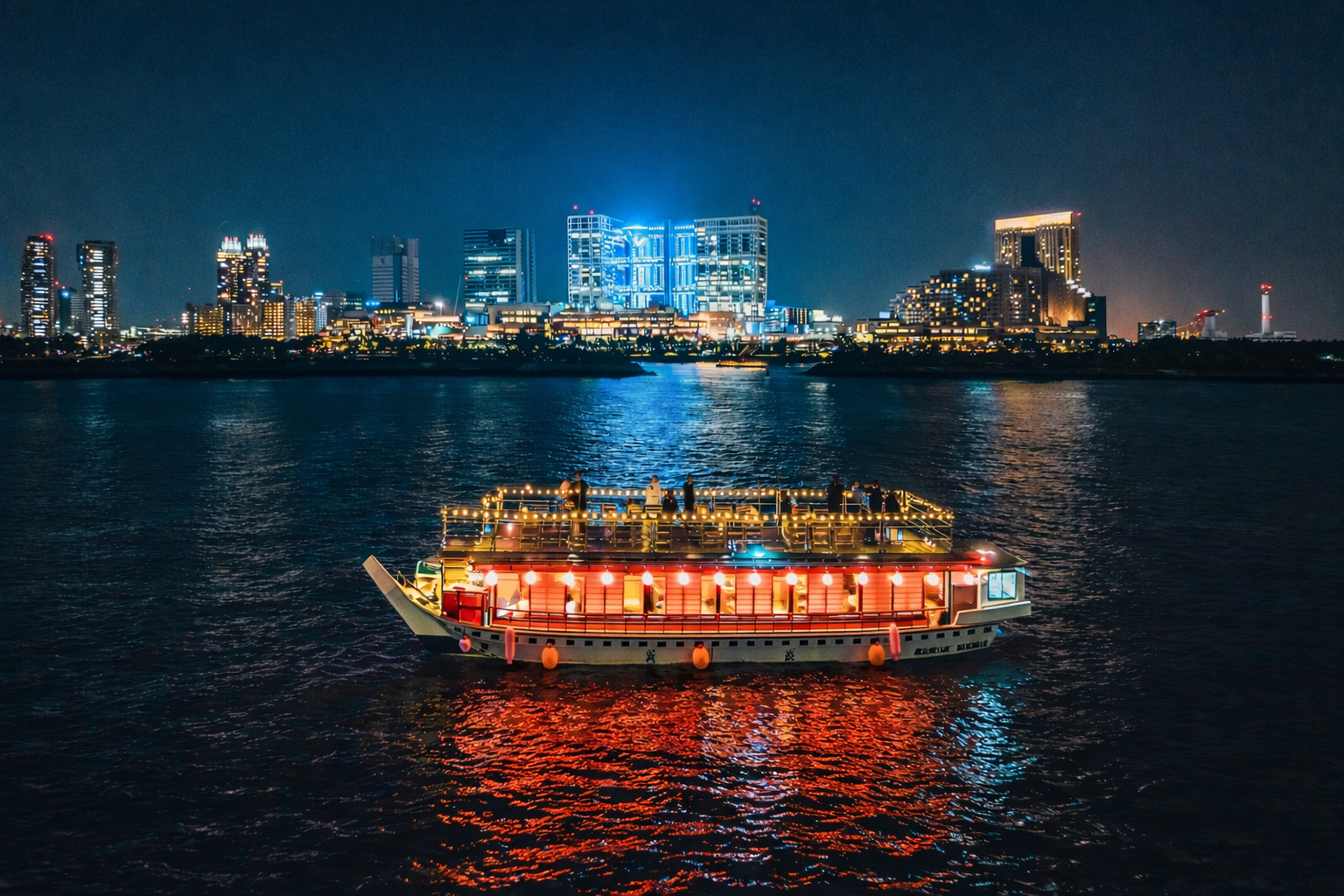
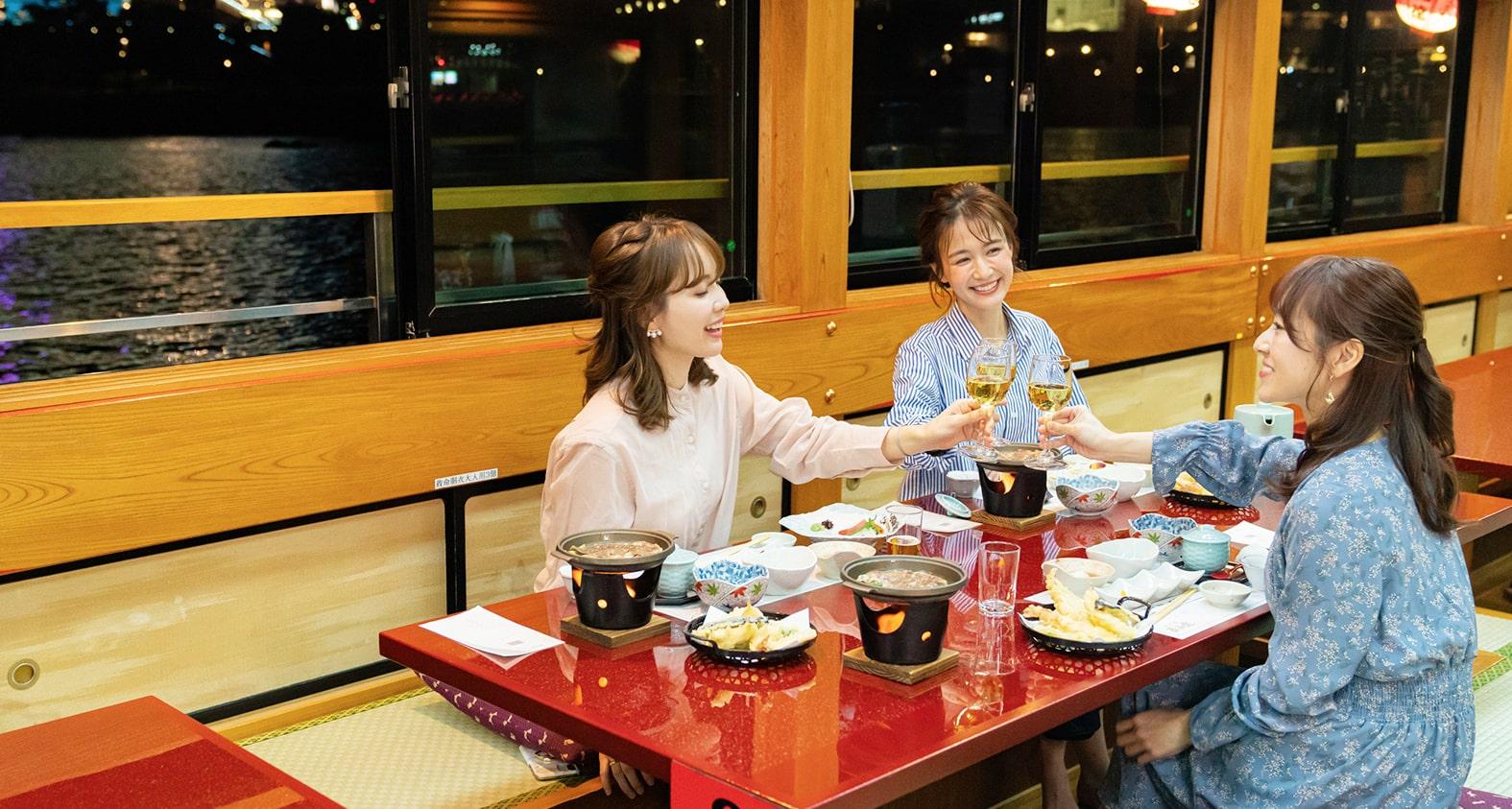
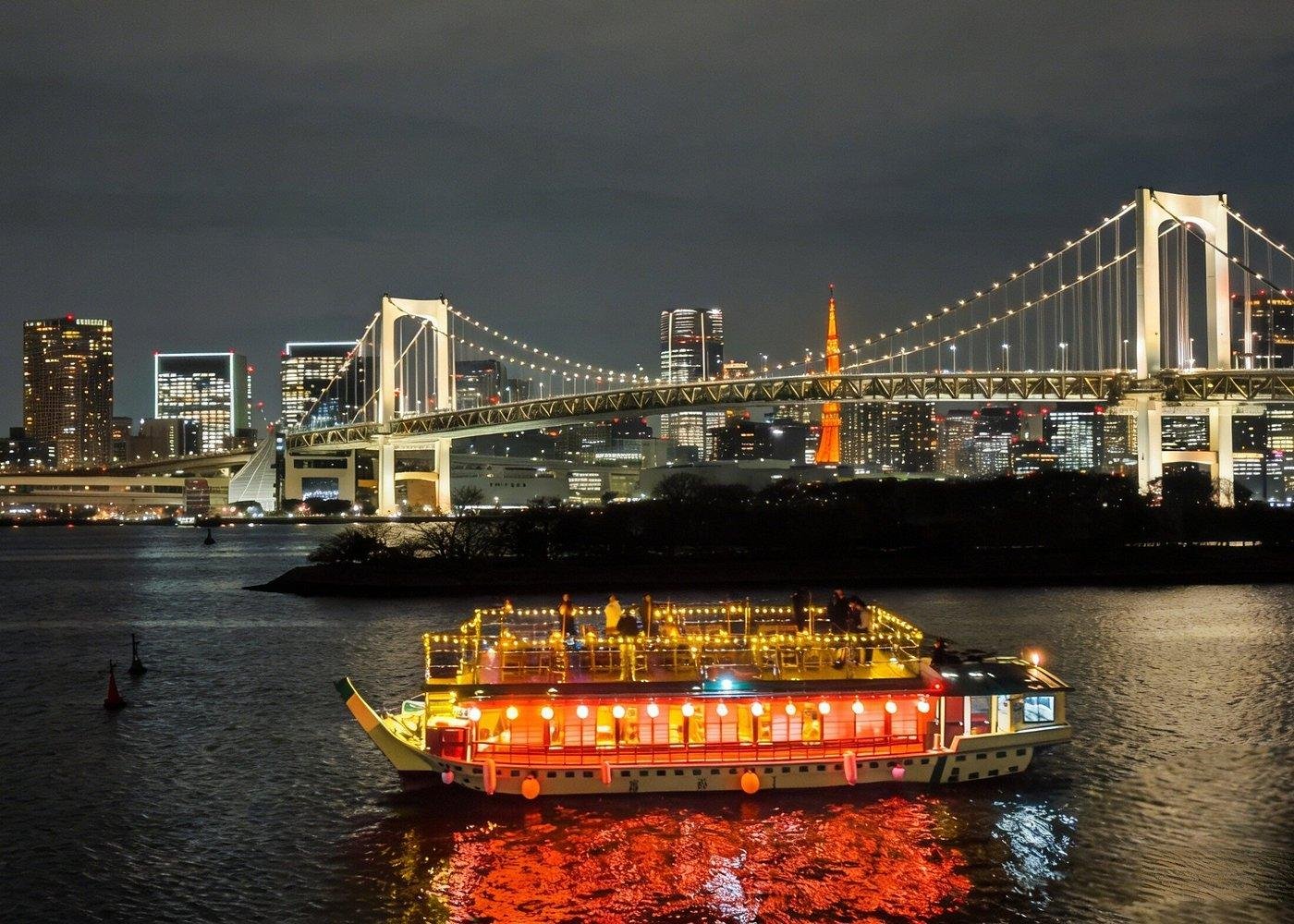
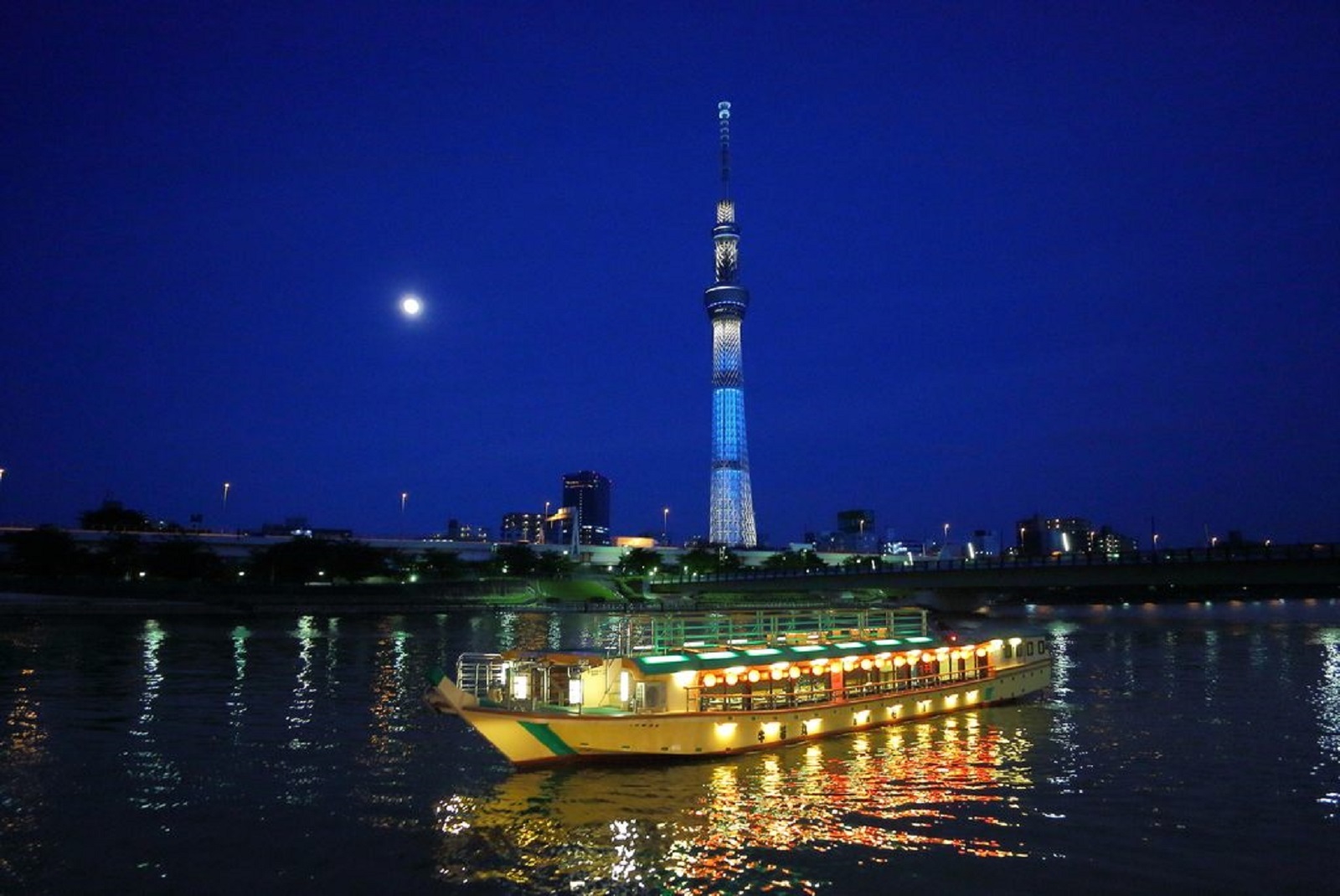
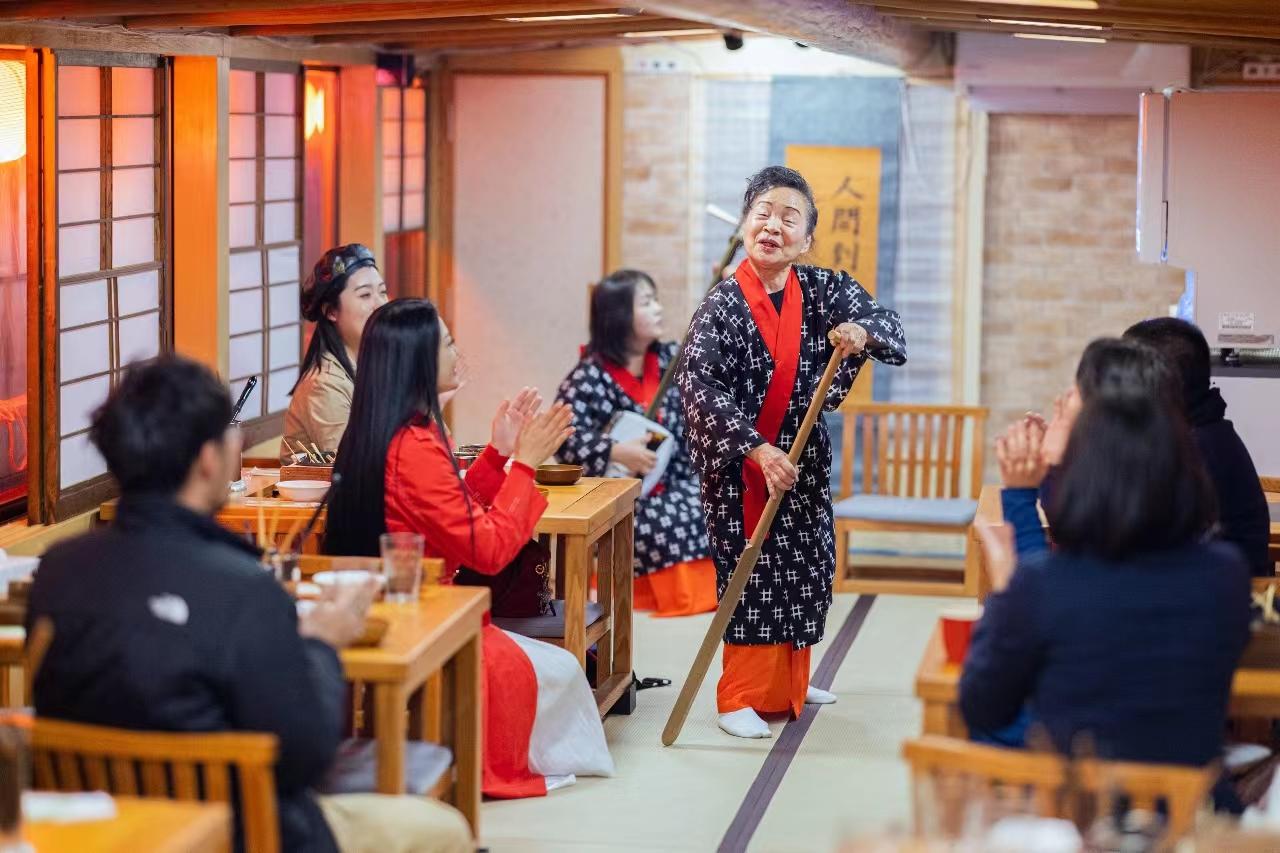
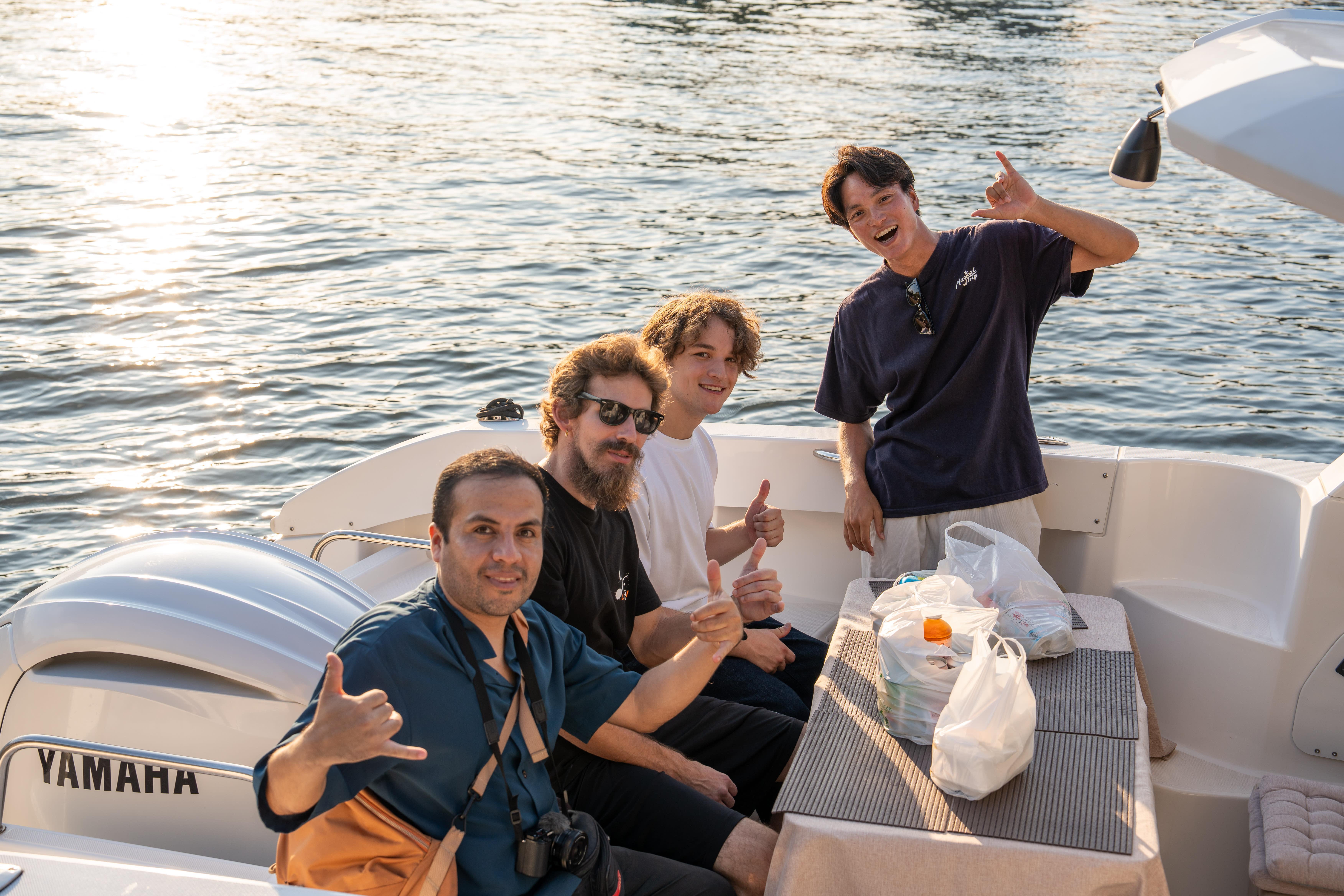
Traditional Yakatabune Bay Cruise with Sukiyaki Dinner & Shamisen Show
- Entry ticket
- Mobile voucher
- Valid same day
- Free cancellation
Sumida River Cruise — Reserved Boarding & Multi-Route Options
Tokyo's arterial waterway viewed from deck, temple spires and bay bridges traced in one passage
Compare fares, pick the fit — all bookings are mobile-voucher and eligible for free cancellation where shown.
1 hr 30 min
2 hr 30 min
1 hr 40 min
| Experience | Duration | Rating | Lunch | Free cancel. | Price | |
|---|---|---|---|---|---|---|
|
Standard Entry
Most popular
Traditional Yakatabune Bay Cruise with Sukiyaki Dinner & Shamisen Show
|
1 hr 30 min | ★ 4.7 | ✓ | ✓ | €87 | Book → |
|
Standard Entry
Yakatabune Traditional Dinner Boat on Sumida River
|
2 hr 30 min | ★ 4.6 | ✓ | ✓ | €88 | Book → |
|
Standard Entry
Traditional Yakatabune Dinner Cruise with Shamisen & Tokyo Tower
|
1 hr 40 min | ★ 4.7 | ✓ | ✓ | €87 | Book → |
Worth it for river perspective seekers
A sumida river cruise delivers a perspective on Tokyo's waterfront architecture that ground-level walks cannot match. At 2,000 JPY for the Asakusa-Odaiba route, you get roughly 40 minutes of narrated passage beneath a dozen historic bridges, past the Asahi Beer Hall's golden flame, and along the reclaimed Odaiba shoreline. The value proposition hinges on whether you prioritize a moving vantage point over static observation decks—trains and riverside promenades offer free skyline views, but neither provides the sweeping angle changes as you glide under Kachidoki Bridge or approach Rainbow Bridge. Tokyo water bus tours work best for travelers who want efficient transit between districts while logging sightseeing time, rather than those chasing close-up architectural detail. If you treat the cruise as combination transport and commentary rather than a standalone attraction, the ticket price justifies itself. Families and photographers gain the most; solo budget travelers might prefer allocating the cost toward a museum entry instead.
Bottom line: Book sumida river cruise tickets if you value mobile perspective over stationary height—it earns its cost as hybrid transport and commentary, not as a premium sightseeing centerpiece.
They complement each other; most visitors who do both find the sumida river cruise provides a more tranquil water-level perspective, while the Yurikamome offers a modern, high-speed elevated rail experience.
|
Top pick Sumida River Cruise |
Yurikamome Line | |
|---|---|---|
| Perspective | Water-level and historic bridges | Elevated rail with bay vistas |
| Speed | Leisurely pace | Fast automated transit |
| Comfort Level | Seated boat with deck access | Standard commuter train seating |
| Photographic Potential | Riverfront landmarks and architecture | Panoramic city and port skyline |
| Transit Style | Scenic water taxi | Automated electric train |
| Access Convenience | Specific terminal boarding required | Multiple stations across central Tokyo |
| See tickets & prices |
Verdict: Opt for the sumida river cruise tours if you prioritize scenic relaxation, or select the train for efficient, high-altitude city sightseeing when booking your sumida river cruise tickets.
Hand-picked experiences loved by thousands of travelers
3 hours
Free Cancellation
Experience Tokyo's glittering waterfront aboard a traditional houseboat with multi-course Japanese dining
100 minutes
Free Cancellation
Sail Tokyo Bay on a traditional houseboat with live music, sukiyaki dining, and panoramic city views
1 hour
Free Cancellation
Discover Tokyo's waterfront from a unique perspective aboard an intimate vessel with a knowledgeable guide
55 minutes
Free Cancellation
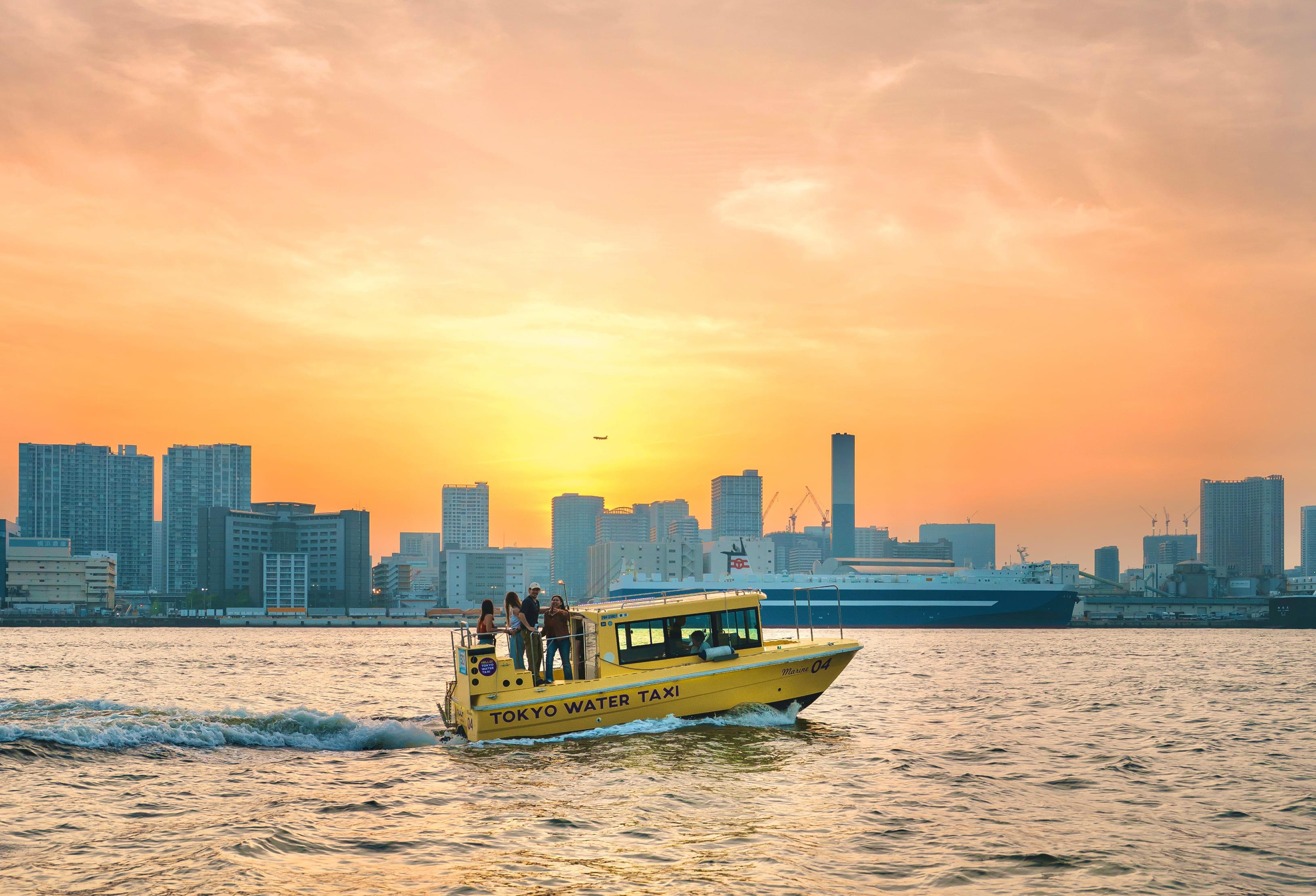
Cruise Tokyo's waterways from historic temples to futuristic bay districts aboard a scenic water bus
6 hours
Free Cancellation
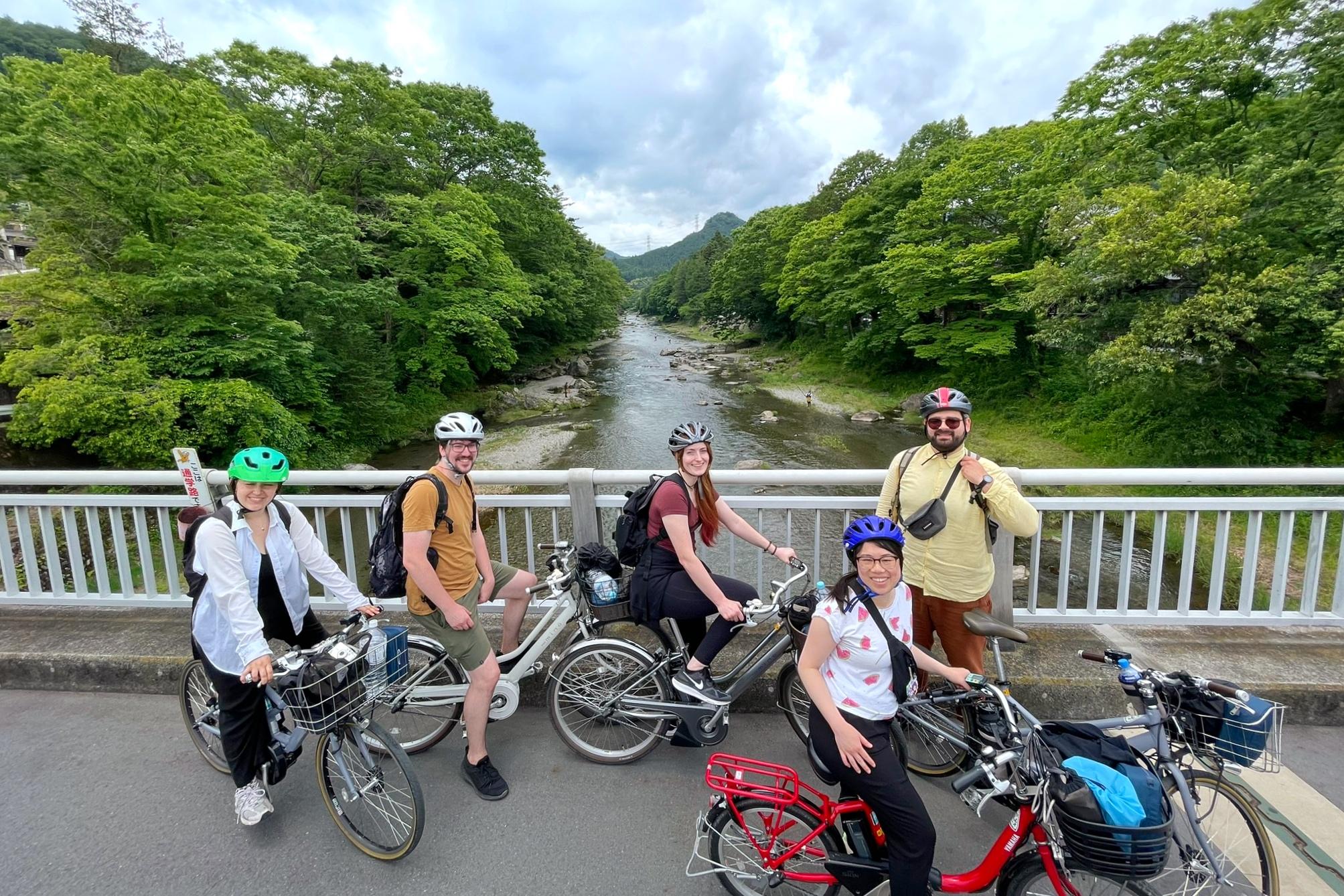
Pedal through rural valleys, wade upstream to a secret waterfall, and soak in natural hot springs
3.5 hours
Free Cancellation
Explore historic Asakusa, gather artisan bites, then sail past Rainbow Bridge and Tokyo Tower at sunset
1.5–2 hours
Free Cancellation
Ascend Japan's tallest structure for sweeping city panoramas from two sky-high observation levels
2 hours
Free Cancellation
Experience a vibrant fusion of traditional Japanese dance and modern music at this unique Asakusa theater
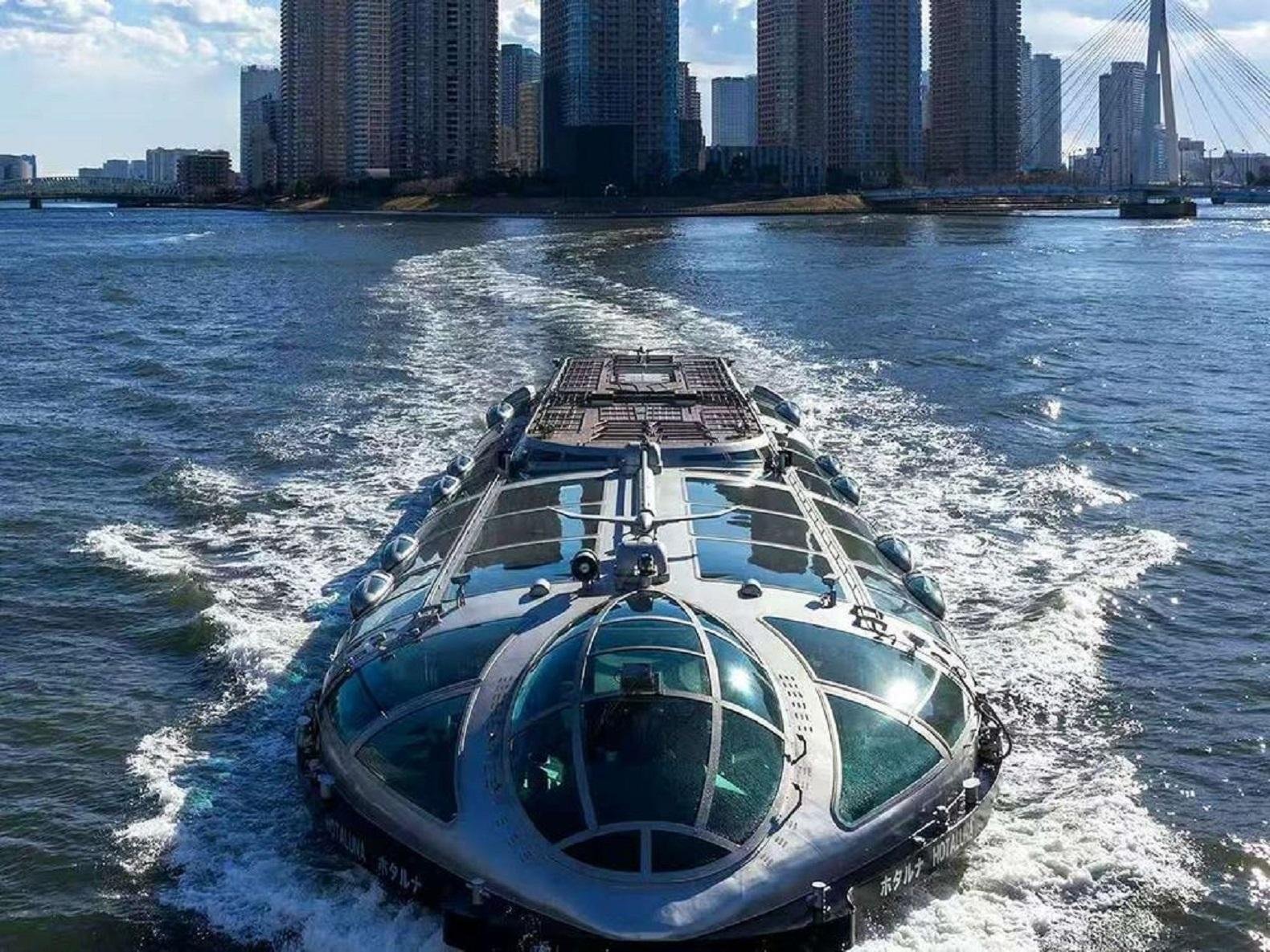
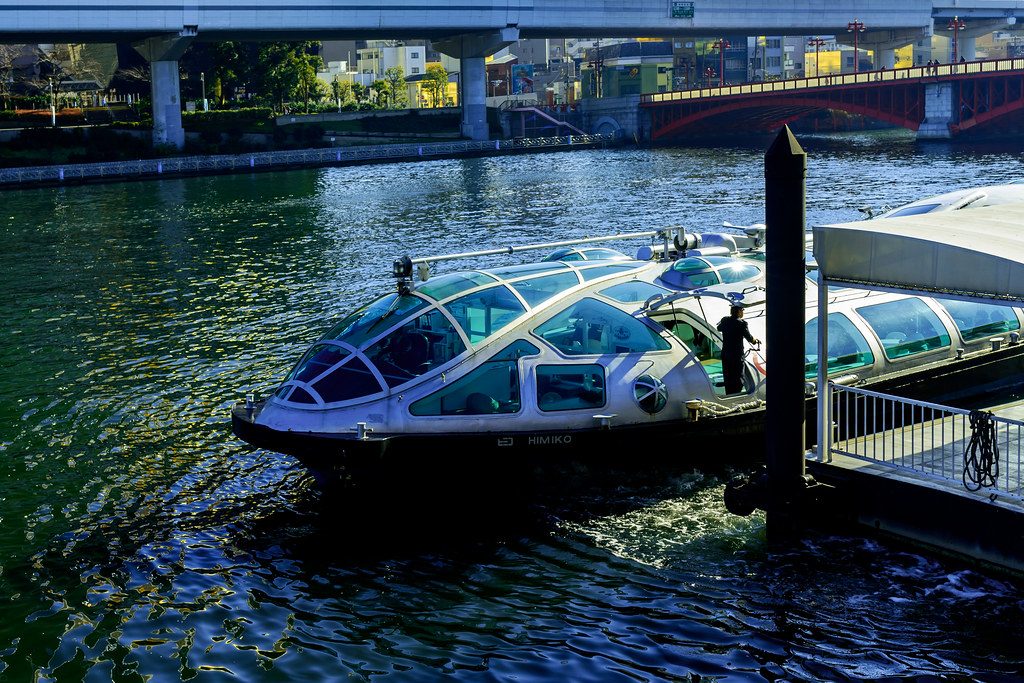
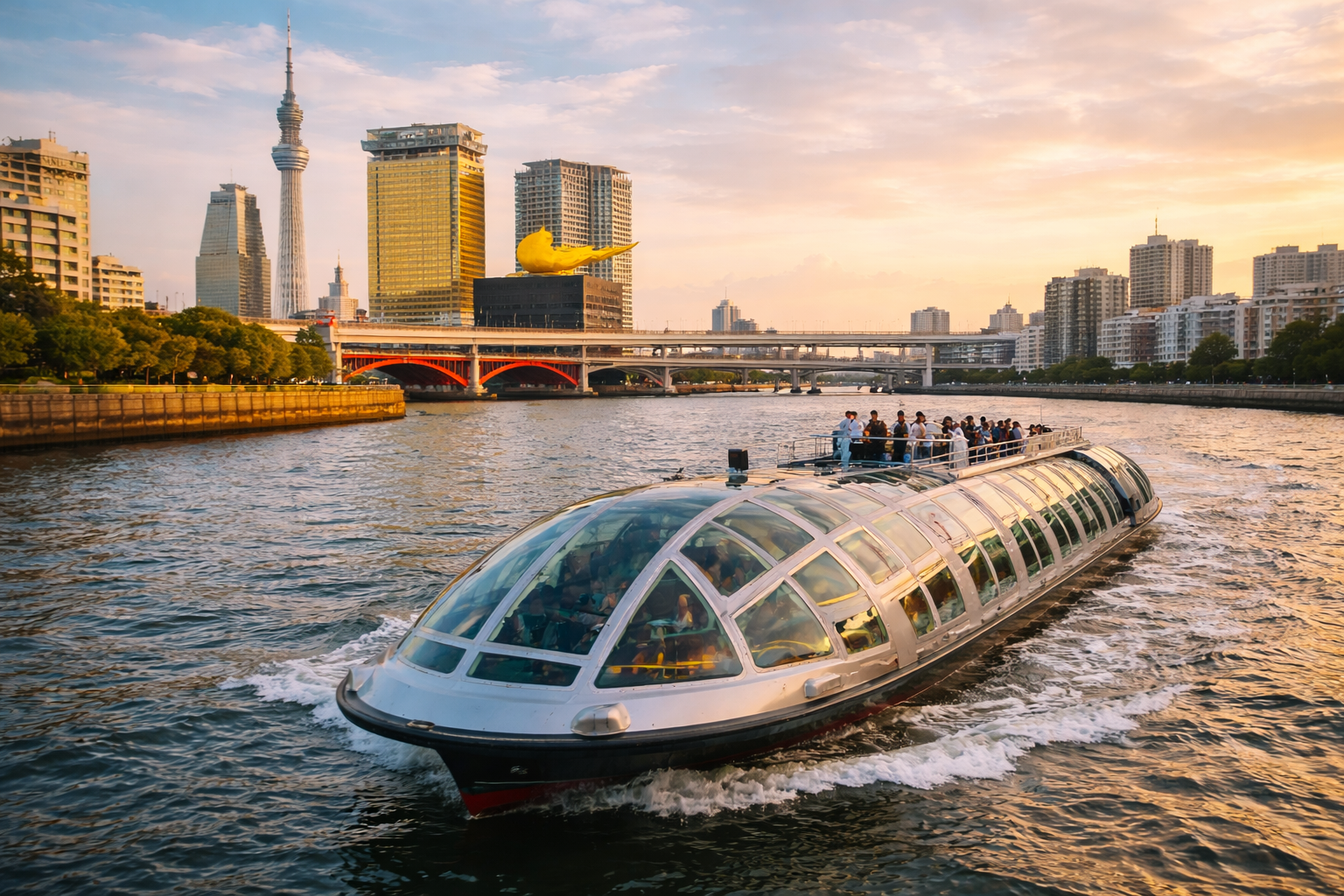
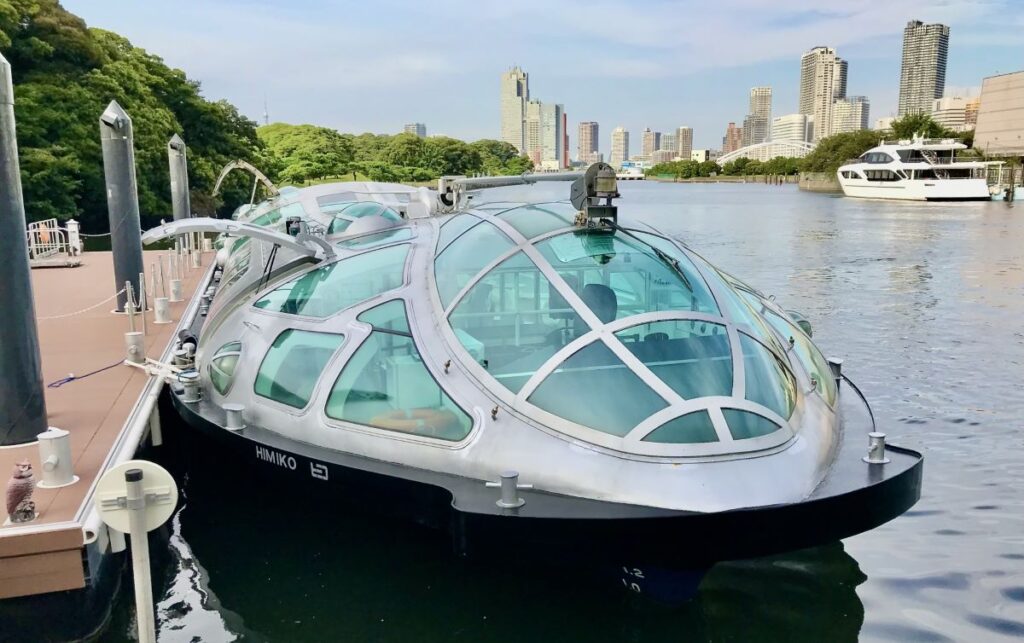
Futuristic craft designed by Leiji Matsumoto featuring a roof deck and firefly-like lights
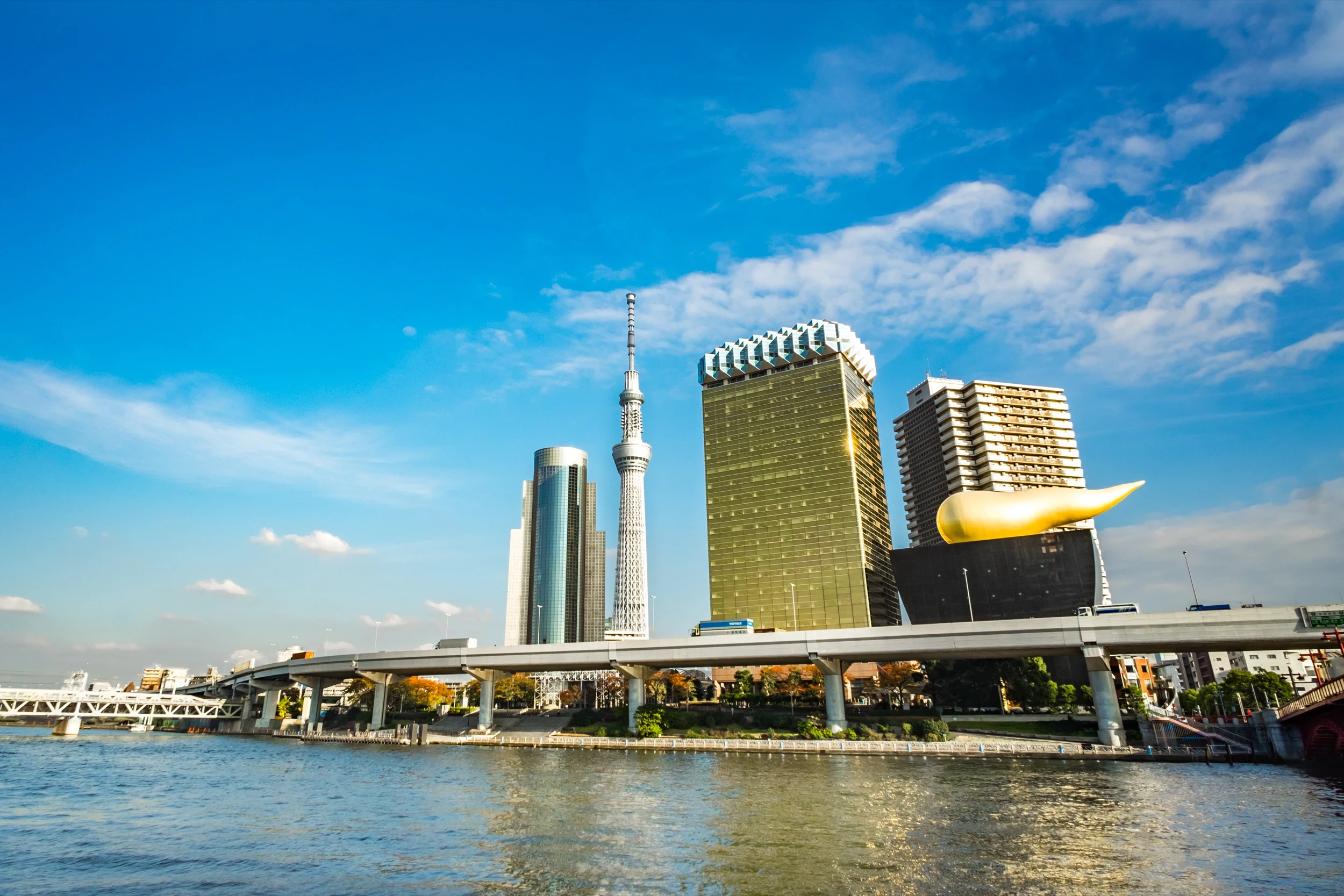
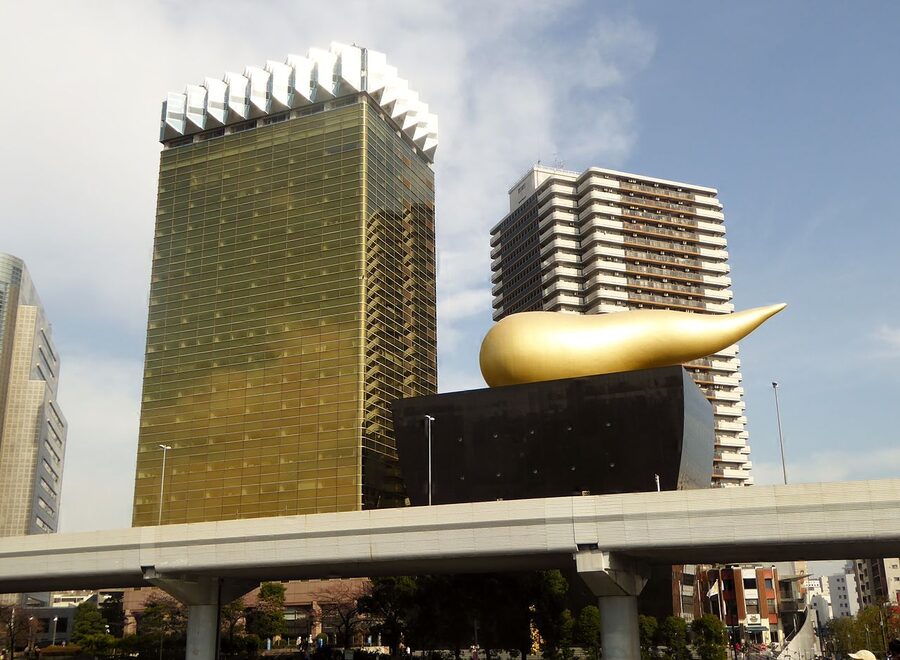
Distinctive golden sculptural flame located on the Asahi Group headquarters building
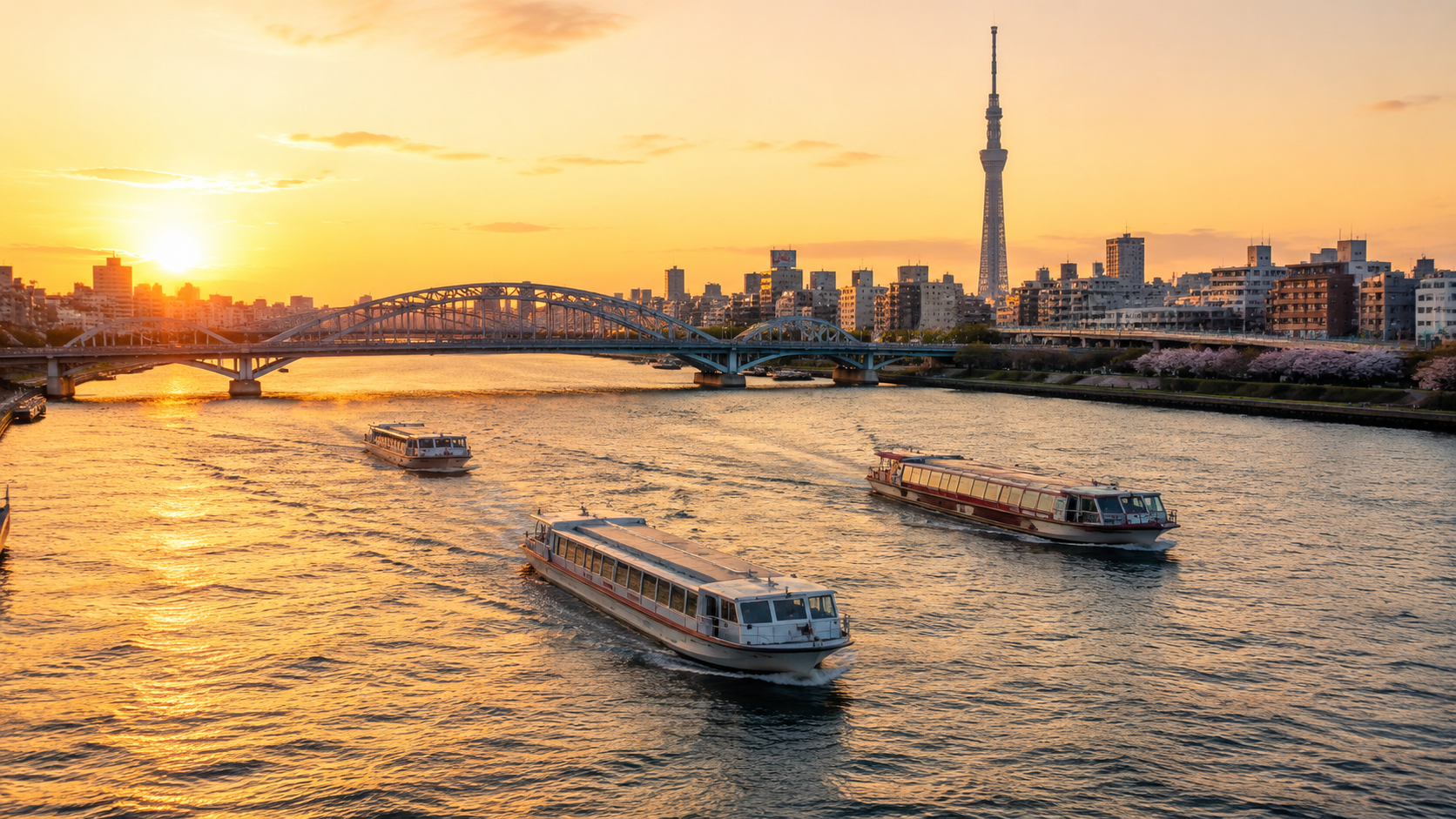
Historic red bridge marking the start of many river cruises in Asakusa
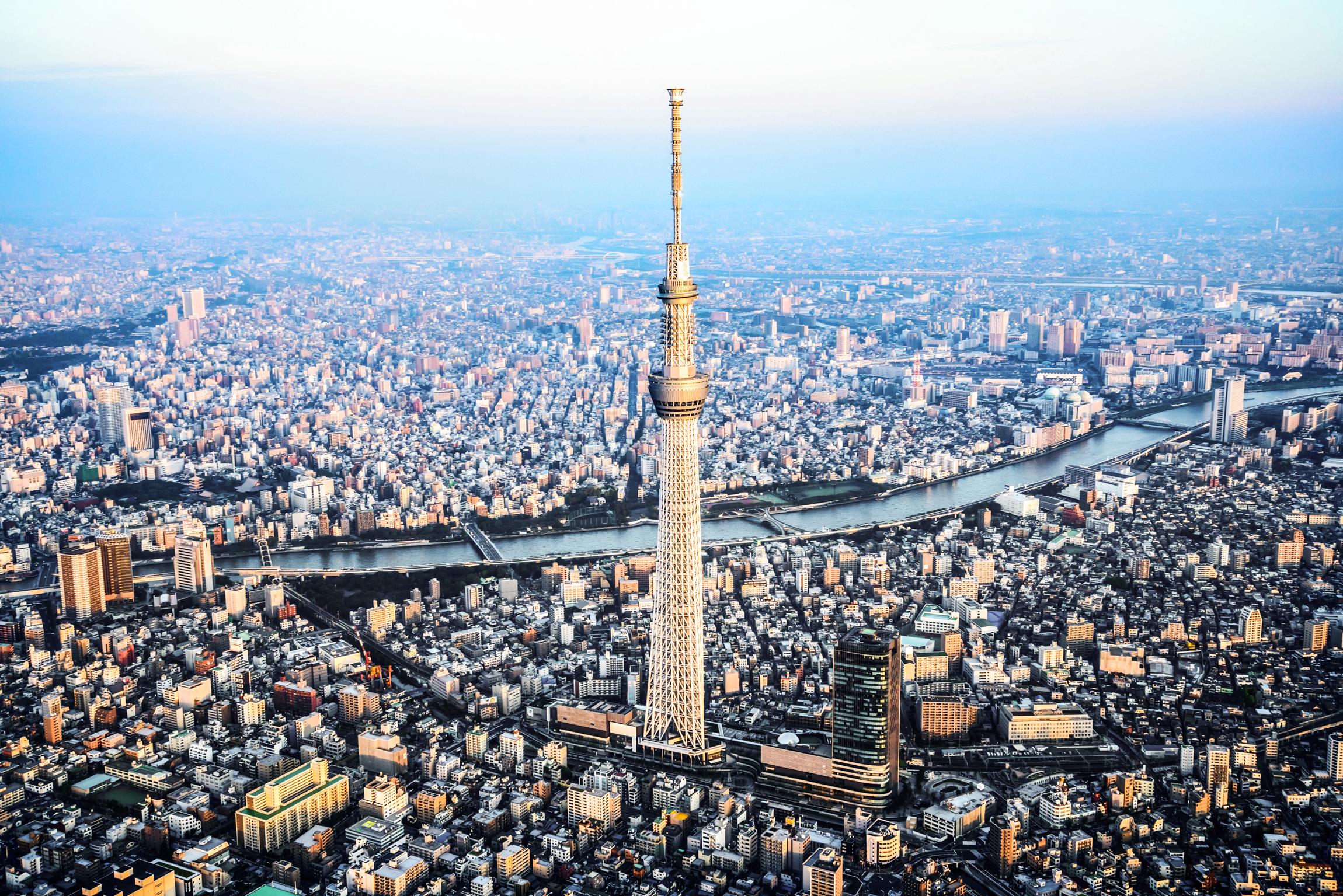
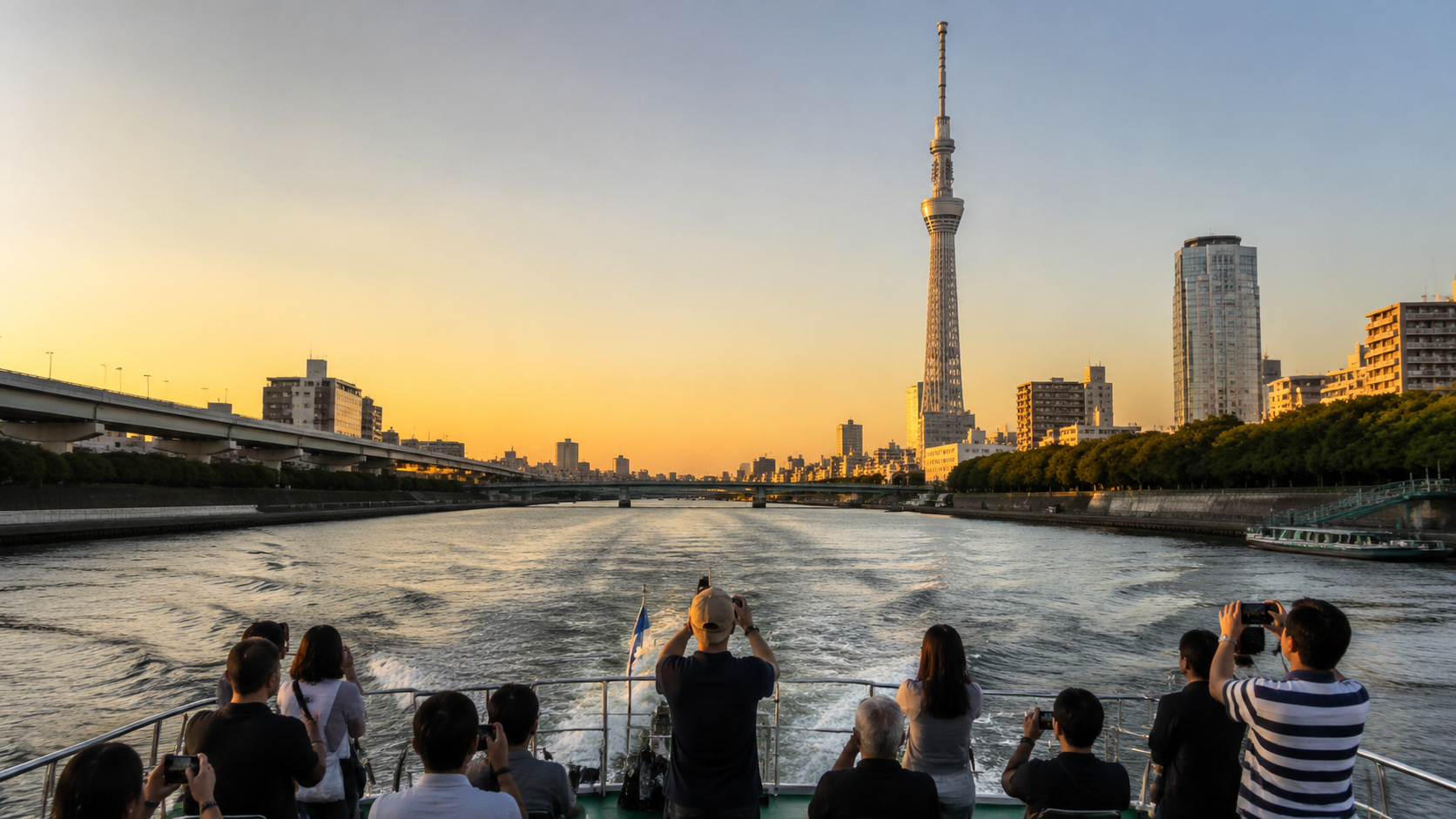
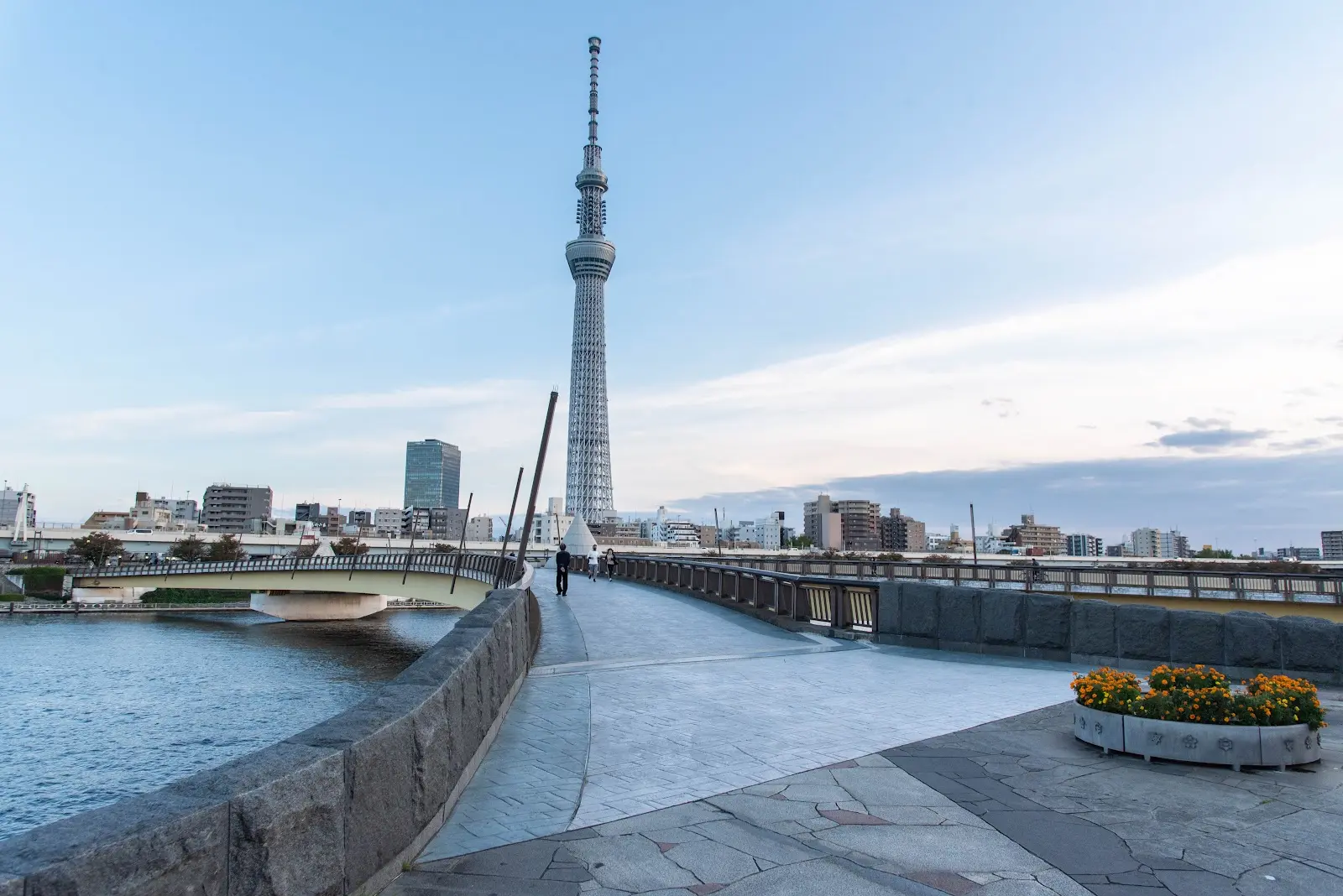
Visible throughout the journey as a soaring landmark of the Tokyo skyline
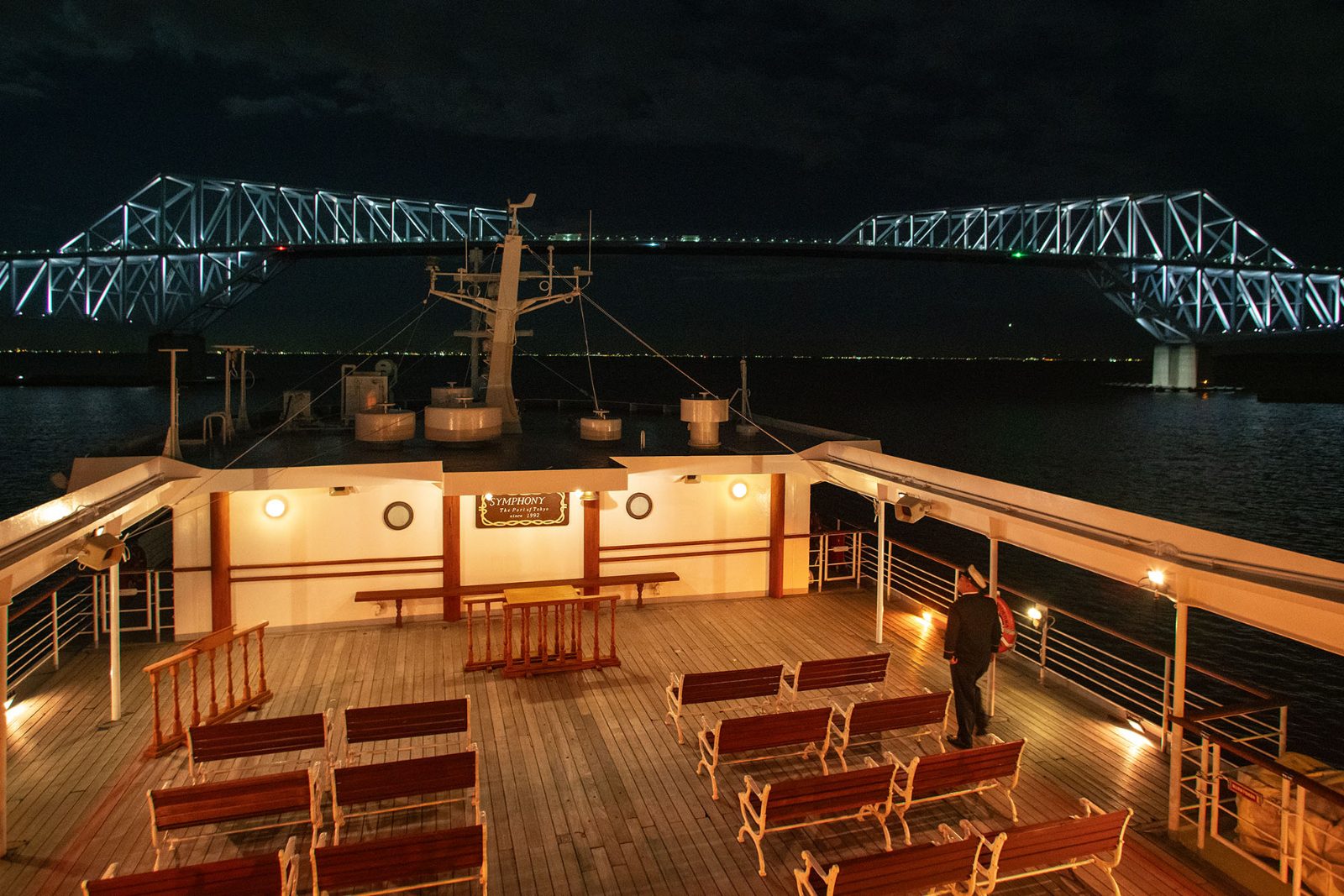
Iconic suspension bridge spanning the entrance to the Tokyo Bay area
You board at the Hanakawado terminal, a low-rise structure tucked behind Asakusa's riverside promenade. Ticket in hand, you pass through the turnstile and descend a metal gangway to the vessel's lower deck.
Most passengers immediately climb the interior stairwell to the open-air observation area, where bench seating rings the perimeter and a central mast carries bilingual route maps.
The water bus pulls away from the pier at exactly the scheduled minute. You feel the engine hum beneath the deck plating as the bow swings south toward the first bridge. Within three minutes, Sensoji's pagoda recedes into the skyline and the golden sculpture atop Asahi Beer Hall appears to starboard. You lift your phone to frame the shot — other passengers do the same, and for a moment the deck is a silent gallery of raised arms and angled screens.
Twenty minutes downstream, the vessel slows as it approaches Hamarikyu Gardens. Passengers disembarking here gather near the bow rail. If you remain aboard, the route continues beneath Rainbow Bridge, where the water darkens and the air smells faintly of brine. Odaiba's Ferris wheel becomes visible as the boat turns east into Tokyo Bay. You descend to retrieve your bag as the engines throttle back and the terminal's covered dock slides into view.
All the details about your upcoming adventure in one place
A sumida river cruise offers scenic waterborne passage through Tokyo's historic eastern districts, departing from Asakusa or Hinode Pier. These river boat tours navigate past the Asahi Beer Hall, Tokyo Skytree, and a succession of distinctive bridges linking both riverbanks. Several sumida river cruise tickets include commentary on Edo-period waterways and modern landmarks visible from the deck.
The Sumida River has served as Tokyo's commercial spine since the Edo period, when timber barges and rice boats threaded between the shogun's castle and Asakusa's temple precincts.
By the late nineteenth century, steam ferries replaced wooden craft, and the waterway became a commuter artery linking nascent neighborhoods along Tokyo Bay. Today the river carries recreational passengers rather than cargo, but the route still traces the city's architectural chronology — seventeenth-century temple gates give way to post-war expressway piers, which in turn yield to the glass towers of Odaiba's reclaimed land.
A Sumida River cruise departs from the Hanakawado pier in Taito Ward, where the water-bus terminal sits 200 meters downstream from Sensoji Temple. The fleet consists of futuristic vessels designed by manga artist Leiji Matsumoto and architect Kengo Kuma, their angular hulls and panoramic decks a deliberate contrast to the low-slung houseboat profile of traditional yakatabune. Routes diverge at the Hamarikyu Gardens landing: the Asakusa-Odaiba line continues beneath Rainbow Bridge to reach the bayside entertainment quarter, while the shorter Asakusa-Hamarikyu option terminates at the former shogunal tidal garden. A third seasonal route extends to Kasai Rinkai Park during cherry-blossom weeks and summer fireworks festivals.
The operational logic is simple. Water-bus tickets are route-specific and purchased by destination — Asakusa to Odaiba takes 50 minutes, Asakusa to Hamarikyu 35 minutes. Boarding requires no security screening, and passengers ascend directly to open-air observation decks or climate-controlled salons. The fleet departs every 30 to 40 minutes during peak hours, with reduced frequency in early morning and late afternoon. Recorded commentary in Japanese and English identifies landmarks as they pass: the golden flame of Asahi Beer Hall, the steel latticework of Kiyosu Bridge, the 634-meter silhouette of Tokyo Skytree. Onboard concessions sell canned drinks and small snacks, though most passengers remain on deck to photograph the shifting skyline.
The river itself has been engineered repeatedly. Edo-era dredging established the current channel, Meiji-era embankments confined seasonal floods, and post-war reconstruction buried tributaries beneath roadways. What remains visible is a 23.5-kilometer artery linking the inland wards to Tokyo Bay, its tidal currents still strong enough that cruise schedules must account for ebb and flow when docking at Hamarikyu's wooden piers.

The waterway still traces the city's architectural chronology — temple gates give way to expressway piers, which yield to the glass towers of reclaimed land.
Casual attire is recommended for all sumida river cruise tours. Comfortable footwear is advised for walking between the pier and nearby transport links.
Passengers may bring one piece of luggage with total dimensions not exceeding 2 meters. Security staff may inspect bags before boarding your sumida river cruise.
Photography is permitted on board. The Hotaluna and Himiko vessels offer excellent vantage points for capturing the Sumida River and city skyline during your sumida river cruise.
The sumida river cruise is family-friendly, offering an entertaining way for children to see Tokyo landmarks. Children under 12 may qualify for reduced fares.
The sumida river cruise ships are wheelchair accessible, though capacity is limited to 2-3 wheelchairs per vessel. Please alert staff if you require assistance with your sumida river cruise tickets.
Light refreshments may be available on certain vessels. Bringing your own food or beverages on the sumida river cruise should be done discreetly.
Operating Hours
09:30–17:30 daily
Address
1-1-1 Hanakawado, Taito-ku, Tokyo, Japan
Accessibility
Wheelchair accessible (limited capacity)
Best Arrival
09:30–16:00
Luggage
One bag up to 2m (length+width+depth)
Inquiry
03-5608-8869
Public transport · 15 min · 200 JPY
Take the Ginza Line to Asakusa Station, then walk 1-3 minutes.
Taxi · 20 min · 2,000 JPY
Request drop-off at the Asakusa Pier near Azumabashi.
Reservations for a sumida river cruise can be modified or canceled via email. Please check the official site for specific terms regarding your 2,000 JPY ticket.
Recommended time
1.5-2 hours
A standard sumida river cruise typically lasts about an hour for transit, though you should allocate extra time for boarding procedures and securing your preferred deck position. Acquiring your sumida river cruise tickets online helps minimize wait times, especially as the Tokyo water bus terminals become busier throughout the afternoon. If you plan to explore the waterfront parks or local landmarks near the pier, budget an additional hour to your total visit.
Crowd levels through the day
Weather · crowds · average price — dots go green to amber to red as each metric rises.
Mild weather perfect for viewing cherry blossoms along the riverbanks.
Warm days ideal for evening illuminations and fireworks views.
Comfortable temperatures for a scenic Tokyo city sightseeing tour.
Crisp air provides clear views of the Tokyo Skytree and skyline.
Reserve your sumida river cruise tickets online for popular weekend slots.
Verify the daily sailing status of your sumida river cruise before heading to the pier.
The Ginza subway line is the most direct route to the Asakusa pier.
Arrive in the 09:30–16:00 window to avoid peak mid-day crowds.
A sumida river cruise offers unique angles of Tokyo bridges.
1-1-1 Hanakawado, Taito-ku
Main boarding point for the sumida river cruise
Get directions
Stand on the pier or near the bridge railing to capture the contrast between historic Asakusa architecture and the modern city skyline. This remains a popular spot for securing sumida river cruise tours footage as the boats approach.
From the water, aim your camera upward to capture the distinct golden flame sculpture atop the building. This angle offers a unique perspective during the sumida river cruise.
Position yourself on the open-air deck toward the stern for a clear shot of the tower rising above the riverbanks. Many travelers purchase sumida river cruise tickets to gain this elevated perspective of the landmark.
This pedestrian bridge provides an excellent framing point for the vessel passing underneath. It is ideal for those documenting the sumida river cruise tour from a stationary position on the riverbank.
Real experiences from real travelers
We took the sumida river cruise from Asakusa to Odaiba on a clear summer afternoon. The open-air deck offered unobstructed views of the Skytree and every bridge has its own architectural personality. The recorded commentary in English was informative without being intrusive. Forty minutes felt just right.
Boarded near Asakusa Temple and rode all the way to Hamarikyu Gardens. The boat was modern and clean with plenty of seating options inside and out. Watching the city transition from traditional low-rise neighborhoods to the glass towers of Shiodome while floating down the river gave me a perspective no walking tour could match.
My two kids loved standing at the front as we passed under each bridge. The water bus had air conditioning which was essential in August heat. We saw cormorants fishing near the banks and the captain slowed down so everyone could take photos of the Skytree reflected in the water.
The river cruise tours offer an efficient way to cover a lot of ground when your feet need a break. I appreciated the frequency of departures and the ease of using my IC card for payment. The only downside was some window glare during the brightest part of the afternoon, but moving to the outdoor deck solved that.
After battling the morning crowds at Senso-ji we stumbled onto the Asakusa pier and decided to take the next boat. The gentle movement of the water and the changing scenery along both banks was meditative. I particularly enjoyed passing the old warehouses that have been converted into galleries and cafes.
Rode the sumida river cruise during sakura season and the view of blooming trees lining Sumida Park from the water was otherworldly. We timed our trip for late afternoon and caught the blossoms glowing pink in the slanting light. The boat was full but never felt cramped.
The combination of traditional and modern architecture visible from the river tour gives you a compressed history lesson. My husband and I especially liked watching the small fishing boats and kayakers sharing the water with commercial vessels. The staff were helpful in pointing out landmarks even to non-Japanese speakers.
I purchased sumida river cruise tickets at the pier without any wait on a weekday morning. The boat departed exactly on schedule and the route under a dozen bridges to Tokyo Bay felt like a gentle journey through different eras of the city. The outdoor seating in May weather was ideal.
The river itself provides some relief from the heat but the upper deck gets intense sun in August. I recommend the morning departure or late afternoon. The views are consistently interesting and I learned the names of bridges I had crossed on foot without ever really seeing them.
As a photography enthusiast I found the water bus gave me angles on Tokyo Skytree and the downtown skyline I could not get from land. The movement adds a small challenge but also keeps the compositions dynamic. The light around five in the evening was particularly warm and flattering for the riverside buildings.
Everything you need to know for your journey
A single adult ticket for the Asakusa-Odaiba route is 2,000 JPY.
Cruises operate daily, but always check the official site as maintenance or weather may affect scheduling.
The official opening hours for ticket services are 09:30–17:30 daily.
Yes, vessels are wheelchair accessible with limited capacity (2-3 units).
One bag per person up to 2 meters in total dimensions is allowed.
We recommend the 09:30–16:00 window to avoid crowds and ensure sufficient time.
The Asakusa pier is a 1-3 minute walk from Asakusa Station on the Ginza Line.
Yes, items like firearms, explosives, and knives over 10cm are prohibited.
Photography is highly encouraged to capture the Tokyo skyline from the water.
Yes, some evening services operate during specific seasons; check the official site.
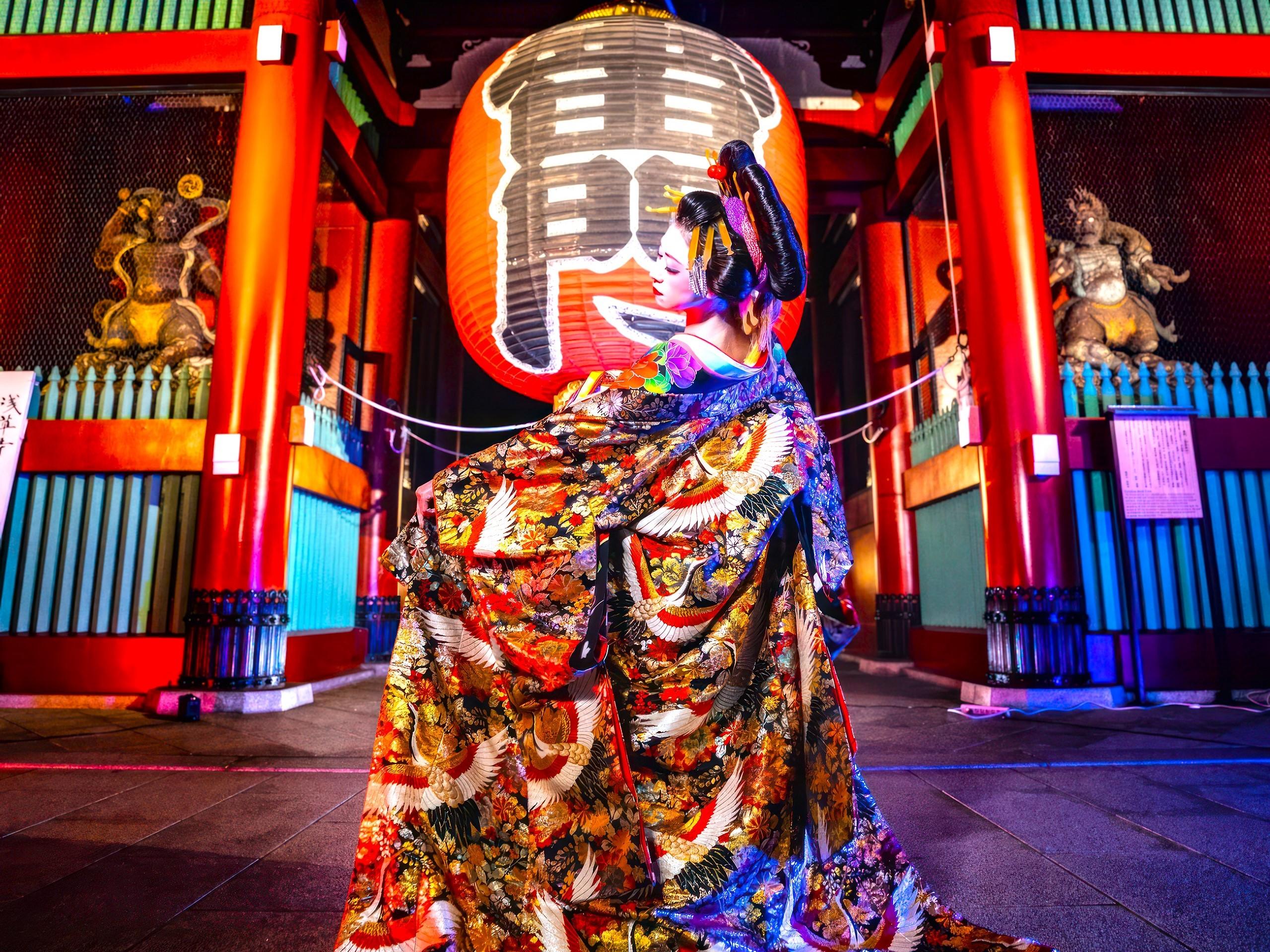
Tokyo's oldest and most iconic Buddhist temple.
Tallest structure in Japan offering panoramic views.
Features the distinctive golden flame sculpture.
Riverside park famous for seasonal cherry blossoms.
Convenient access to the Asakusa river pier.
Modern waterfront stay near the cruise terminal.
Simple lodging in the historic Asakusa district.
Join thousands of happy travelers who have discovered this incredible experience
Book Your Experience Now